
What Payload Do You Really Need?
At Greenhous Professional Centre, we understand that you may not be an expert at van terminology and specifications, but you know you need to carry everything your business needs. That’s why we’ve put together this blog to help you understand van payloads and load capacity, so you can choose the right van for your needs.
TL;DR
- Van payload is the maximum weight a van can safely and legally carry. Payload considers cargo, passengers, fuel and additional equipment.
- Payload capacity differs from cargo capacity. Payload covers the vehicle’s total carrying weight, while cargo capacity refers specifically to the weight of goods carried in the cargo area.
- You can calculate payload by subtracting the van’s kerb weight (Mass in Running Order) from its Gross Vehicle Weight (GVW).
- Choose the right van for your business needs. Smaller vans such as the Citroën Berlingo, Peugeot Partner and Vauxhall Combo offer payloads of around 1,000kg, while larger models such as the Citroën Relay, Peugeot Boxer and Vauxhall Movano can offer payloads of up to 2 tonnes.
When you’re choosing a van, whether you’re looking for something new or used, it’s important to ensure you have enough space and capacity for everything you need to run your business. For van owners, there’s a specific way that the carriable weight for cargo is calculated and communicated, which is referred to as ‘payload’.
What does ‘payload’ mean?
The term ‘payload’ refers to the weight that a van can carry. Some drivers may not need to consider payload in the running of their business, but others may need to carefully consider this metric when choosing the right van.
Payload is essentially the maximum weight a specific commercial vehicle can carry, both safely and legally. This is different from load capacity, which refers to the volume of a van’s cargo area. Often measured in kilograms, payload is measured to include not just the cargo inside but also the weight of any passengers.
Vans of different sizes and configurations are each designed to carry a specific amount of weight, depending on their intended use or purpose. Different factors influence the carrying capabilities of a van, including body size, engine size, fuel type, any modifications made to the van, and any passengers in the van.
What is the difference between cargo capacity and payload capacity?
Cargo capacity and payload capacity are closely related, but they aren’t the same. Payload is a broader term, including cargo capacity and other weight factors. Cargo capacity on the other hand refers to the maximum weight of the goods or cargo a vehicle can carry in the designated cargo area, without taking into account the weight of the driver, passengers, fuel or any other equipment. Payload capacity includes these factors, reflecting the maximum weight a vehicle can safely carry including additional equipment or accessories as well as fuel and passengers.
How can I find out the payload of a van?
If you’re looking for a new van from our Stellantis range, you can find the payload information clearly displayed at the top of the vehicle page on our site but do note that these vary based on the size and configuration of the van you choose. If you’re looking for a used van from us here at Greenhous, you can find the ‘Maximum Loading Weight’ on the vehicle listing under the Exterior Specifications tab.
Otherwise, you can generally calculate the maximum payload of a van yourself. This can be done by finding the Gross Vehicle Weight, and the kerb weight (also known as Mass in Running Order). You can then subtract the kerb weight from the Gross Vehicle Weight to determine the payload capacity of your van.
What happens if you go over the payload of your vehicle?
If you overload your van, that can cause problems with features and factors including:
- Safety
- Braking
- Handling
- Tyre wear
- Fuel economy
- Insurance
- Legal compliance
- Vehicle downtime
- Driver confidence
If you’re not sure that the payload on a van will be enough to carry everything you need to daily, colleagues and fuel included, then it probably isn’t the right van for you. Underestimating the payload capacity you may require can lead to issues or complications with the daily running of your van and contribute towards increased wear and tear.
Which van should I choose?
If you don’t require a large payload, and don’t frequently carry heavy loads, look at models like the Citroën Berlingo, Peugeot Partner, or the Vauxhall Combo. All these models are available with electric powertrains too.
- The Citroën Berlingo is versatile and comfortable, offering smart storage solutions with a payload of up to 1,000kg available.
- The Peugeot Partner is designed to make your day easier, with several conversion options available and a maximum payload of up to 982kg.
- The Vauxhall Combo is business ready and surprisingly spacious, with a maximum payload of up to 984kg.
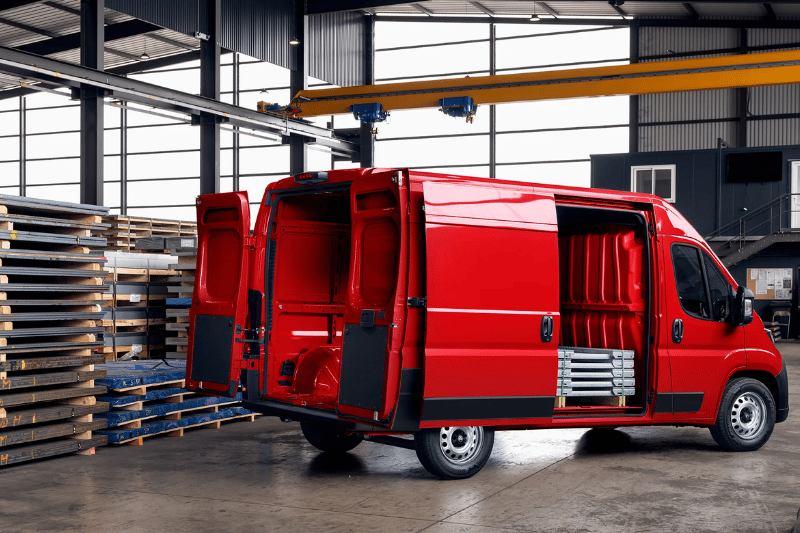
For those looking for a van known for having a high payload capacity, look for the Citroën Relay, Peugeot Boxer or the Vauxhall Movano. All these models are available with electric powertrains too.
- The Citroën Relay offers an impressive payload of up to 2 tonnes as the largest van in the Citroën range.
- The Peugeot Boxer is a high-capacity option built for large and heavy items, with a maximum payload of up to 2 tonnes.
- The Vauxhall Movano offers up to 17m³ of cargo volume and a maximum payload of up to 2 tonnes, meaning you’ll be ready for your next business venture in this large van.


If you’re looking for a new or used van for your business, visit us here at Greenhous Professional Centre here at Trench Lock in Telford, or browse our range of used vans and new vans online. Whether you’re looking for smaller or a larger payload for your business, one of our friendly sales team is on hand to help you choose the perfect van to meet your daily needs.
About the author
Emily Hunt
Junior Digital Marketing Executive for Greenhous Group
[email protected]
07840 850519