
Electric vs Diesel Vans: Which Is the Better Choice for Your Business?
Here at Greenhous Professional Centre in Telford, we offer our customers a range of both diesel and electric vans across the Vauxhall, Citroën and Peugeot brands. Different business owners will of course be looking for different things from their van. That’s why we have put together this quick guide to help you choose which powertrain is right for you.
TL;DR
- Electric vans are ideal for businesses making shorter journeys, offering lower running and maintenance costs, no tailpipe emissions, and reduced day-to-day operating expenses.
- Diesel vans remain the best choice for long-distance driving and heavy payloads thanks to their greater driving range, higher carriage capacity, and fast refuelling.
- When comparing electric and diesel vans, consider the total cost of ownership including fuel or electricity costs, servicing, maintenance, charging requirements, and your typical daily mileage.
- The right van depends on how your business operates. Choose an electric van if you prioritise lower running costs and sustainability, or a diesel van if you need maximum range, payload, and flexibility.
With more electric vehicles landing on UK roads almost daily, it’s no wonder that electric vans have been increasing in popularity over recent years. Traditionally, diesel vans are known to offer drivers powerful and efficient engines that can accommodate heavy payloads. This made them the obvious choice for business owners looking for a vehicle that can carry everything they need without worry. However, for those who aren’t carrying such heavy loads and are travelling shorter distances, electric may be a potential consideration that could cut your running costs and carbon footprint right down.
Below we have put together some key pros and cons of each option, helping you to figure out which is choice right for you.
Electric Vans
Battery technology has continued to develop, with models such as the Vauxhall Movano Electric now able to achieve up to 260 miles of driving range on a single charge. Find out more about the pros and cons of electric vans below.
Pros
- Lower maintenance costs
- Lower running costs
- No emissions
Cons
- Reduced driving range (miles)
- Reduced payload capacity
- Refuelling takes longer
Whilst the initial cost of an electric van is often higher than for diesel models, it is important to consider the total cost of ownership to understand the true cost difference. Over the lifetime of a business van, you could save a significant amount on running costs due to the lower cost of electricity in comparison to diesel. Maintenance costs are often also lower with electric van models, with fewer moving parts to maintain, you can benefit from fewer trips to the garage and less costly vehicle downtime. However, electric vans do often come with reduced driving range and payload capacity, and refuelling demands greater consideration.
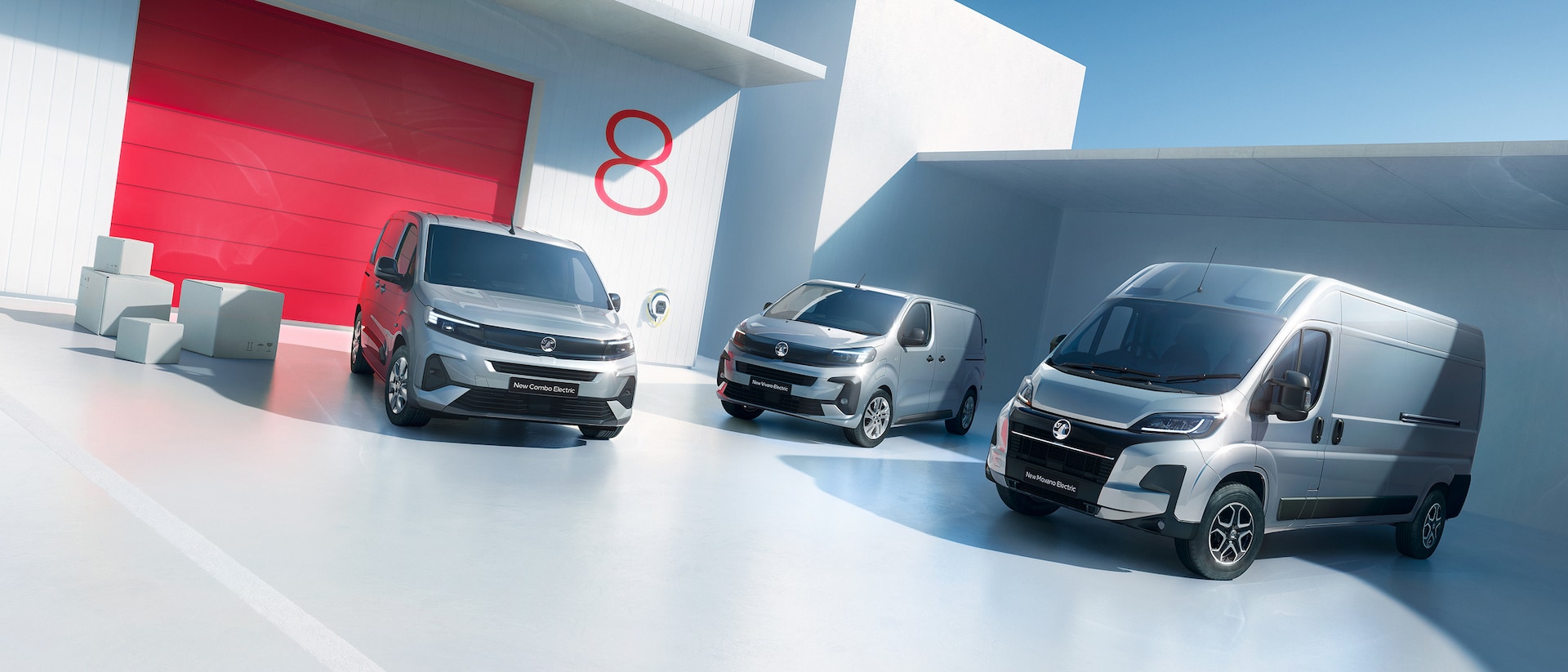
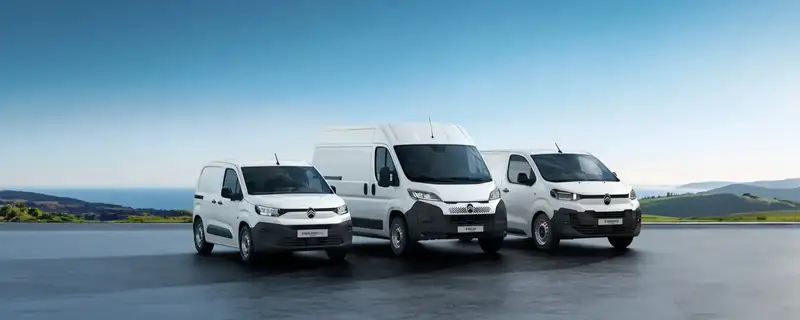
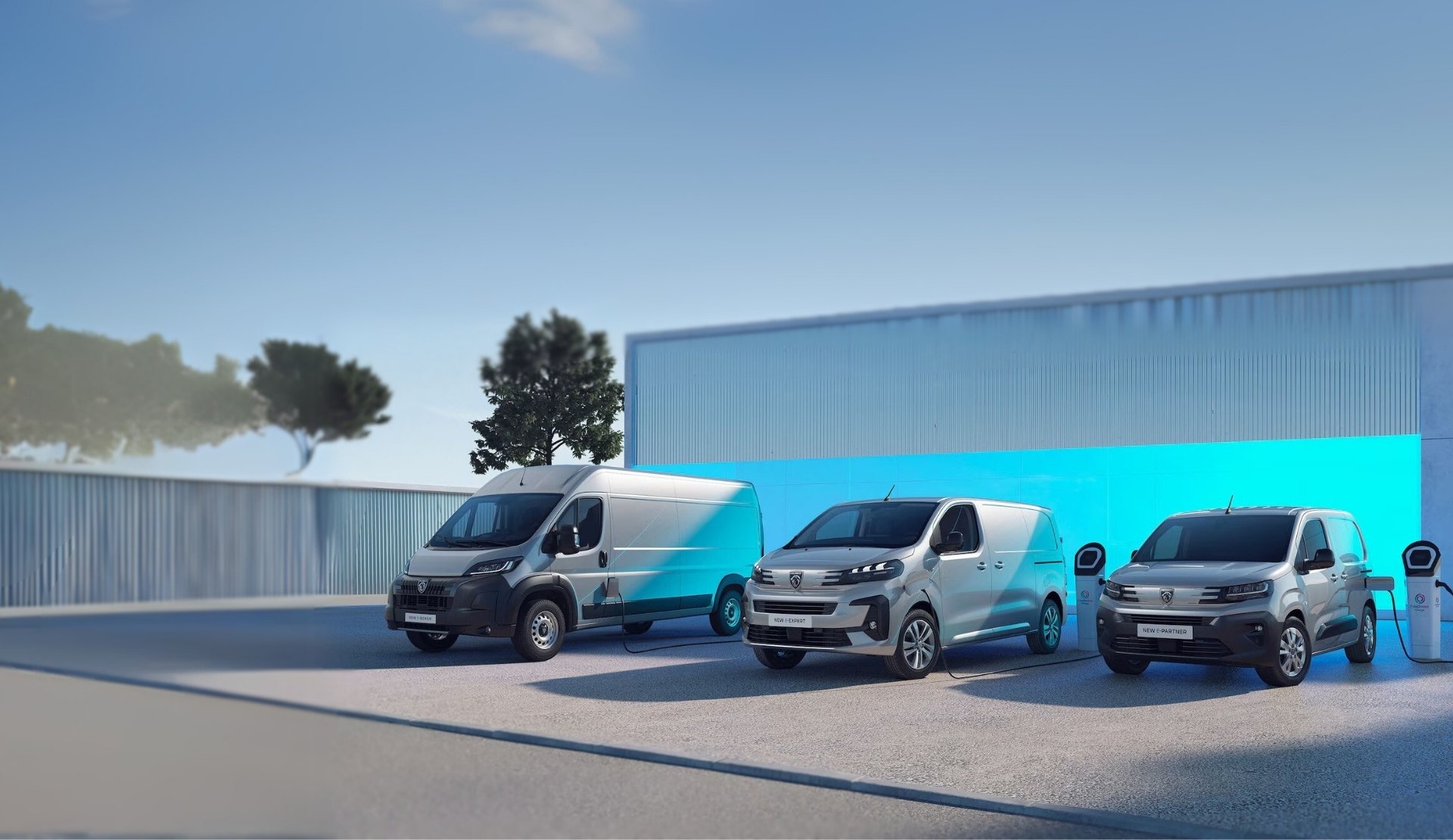
Here at Greenhous, we currently offer the following electric van models: Citroën ë-C3, Citroën ë-Berlingo, Citroën ë-Dispatch, Citroën ë-Relay, Peugeot e-Partner, Peugeot e-Expert, Peugeot e-Boxer, and the Vauxhall Combo Electric, Vauxhall Vivaro Electric and the Vauxhall Movano Electric.
Browse Citroën Vans Browse Peugeot Vans Browse Vauxhall Vans
Diesel Vans
The traditional van fuel type, diesel vans are proven to go the distance that business owners need. However, with the introduction and improvement in electric driving technology, it is now worth considering the pros and cons of diesel.
Pros
- Cheaper initial costs
- Greater driving range (miles)
- Refuelling takes minutes
Cons
- More expensive to run
- More expensive to maintain
- Greater emissions
Diesel vans are significantly cheaper than electric models and still offer that extended driving range that many van owners will be used to. Refuelling is quick and easy, taking minutes and requiring very little preplanning, whereas electric charging can take hours and may require planning stops en route. However, for those looking to cut costs and your carbon footprint, if you aren’t in need of an extensive mile range and payload capacity, the long-term savings may outweigh the short-term expense.
Our diesel van range here at Greenhous Professional Centre currently includes: Citroën Berlingo, Citroën Dispatch, Citroën Relay, Peugeot Partner, Peugeot Expert, Peugeot Boxer, and the Vauxhall Combo, Vauxhall Vivaro and the Vauxhall Movano.
Browse Citroën Vans Browse Peugeot Vans Browse Vauxhall Vans
If you’re looking for a business vehicle that can go the extra mile without payload and charging restrictions, then stick to diesel models. However, if you’re often making shorter journeys and don’t need to carry heavy equipment around, then you should consider electric to help lower your day-to-day costings.
Ultimately, only you can decide which option is better suited to your business. If you want to speak to one of our Greenhous Professional Centre team about your options and get specialist advice on which powertrain suits you best, give us a call today on 01952 265400.
About the author
Emily Hunt
Junior Digital Marketing Executive for Greenhous Group
[email protected]
07840 850519